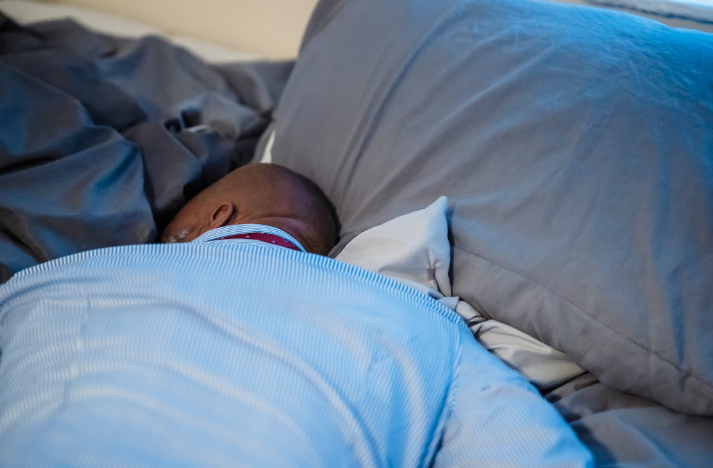
Important Warning for People Who Sleep on Their Right Side
Sleep position is something most people rarely think about. Whether you curl up on your stomach, stretch out on your back, or roll onto your side, it usually feels like a matter of comfort rather than health. But according to sleep experts and medical professionals, the position you sleep in every night may affect far more than your comfort level.
One sleeping habit in particular has gained increasing attention: sleeping on the right side.
Millions of people naturally prefer this position, often without realizing it. However, researchers and doctors have warned that consistently sleeping on your right side may contribute to several health issues for certain individuals, especially those dealing with acid reflux, heartburn, digestion problems, circulation concerns, or chronic pain.
That does not mean sleeping on your right side is dangerous for everyone. In fact, for some people it feels perfectly comfortable and causes no problems at all. But understanding how sleep posture affects the body can help you make healthier choices and improve sleep quality over time.
Here’s what science says about right-side sleeping, the potential risks involved, and when you may want to reconsider your nightly sleeping position.
Why Sleep Position Matters More Than People Realize
Your body spends roughly one-third of life sleeping. During those hours, your spine, muscles, organs, breathing patterns, circulation, and digestive system continue functioning nonstop.
The position you sleep in can influence:
- Breathing quality
- Spinal alignment
- Digestion
- Acid reflux symptoms
- Blood circulation
- Snoring intensity
- Joint pressure
- Neck and back pain
- Sleep apnea severity
While no single sleep position is perfect for everyone, certain positions may worsen existing medical conditions.
That’s why doctors often recommend specific sleep postures for people dealing with health problems.
The Biggest Concern: Acid Reflux and Heartburn
One of the most commonly discussed issues linked to right-side sleeping is acid reflux.
Acid reflux occurs when stomach acid flows backward into the esophagus, causing symptoms such as:
- Burning chest pain
- Sour taste in the mouth
- Chronic cough
- Throat irritation
- Difficulty swallowing
- Nighttime discomfort
Medical experts have found that sleeping on the right side may allow stomach acid to remain in contact with the esophagus for longer periods.
This happens because of the natural shape and positioning of the stomach.
When lying on the right side, the stomach may sit above parts of the esophagus, making acid backflow more likely.
By contrast, sleeping on the left side often helps keep the stomach positioned below the esophagus, reducing reflux episodes.
For people with gastroesophageal reflux disease (GERD), this difference can be significant.
Why Left-Side Sleeping Is Often Recommended
Doctors frequently encourage left-side sleeping for individuals suffering from digestive discomfort or acid reflux.
Research suggests left-side sleeping may help:
- Reduce nighttime heartburn
- Improve digestion
- Minimize acid exposure
- Support stomach emptying
- Decrease regurgitation symptoms
Some people notice improvements almost immediately after changing positions.
That said, adjusting sleeping habits can feel surprisingly difficult because sleep posture is deeply connected to comfort and muscle memory.
Right-Side Sleeping May Affect Digestion
Your digestive system relies heavily on gravity and body positioning.
Sleeping on the right side may slow digestion for some individuals, especially after large meals late at night.
People sometimes report symptoms such as:
- Bloating
- Mild nausea
- Indigestion
- Pressure in the upper abdomen
- Burping or discomfort
Eating too close to bedtime can make these problems worse regardless of sleep position.
Health professionals generally recommend waiting at least two to three hours after eating before lying down.
Snoring and Sleep Apnea Considerations
For some individuals, sleeping posture influences breathing quality during sleep.
Right-side sleeping may help certain people snore less compared to sleeping flat on their back. However, others with obstructive sleep apnea may still experience airway restriction depending on neck position, pillow support, and body weight.
Sleep apnea symptoms include:
- Loud snoring
- Pauses in breathing during sleep
- Waking up gasping
- Morning headaches
- Daytime fatigue
- Poor concentration
While side sleeping is often preferred over back sleeping for sleep apnea, body alignment still matters.
Using the wrong pillow height or sleeping with poor neck support can worsen breathing issues.
Can Right-Side Sleeping Affect the Heart?
This topic often creates confusion online.
Some social media posts claim sleeping on the right side is “dangerous for the heart,” but the reality is more nuanced.
For most healthy individuals, sleeping on the right side is not considered harmful to heart health.
However, some people with specific heart conditions report feeling discomfort when lying on one side versus the other.
Pregnant women and individuals with congestive heart failure are sometimes advised to adjust sleeping positions based on circulation and comfort.
Still, there is no strong evidence suggesting right-side sleeping alone causes heart disease.
The concern is usually related to symptom management rather than direct harm.
Pregnancy and Side Sleeping
Pregnant women are often encouraged to sleep on their left side, especially during later stages of pregnancy.
Left-side sleeping may help improve blood flow between the heart, placenta, and baby.
Sleeping on the right side occasionally is generally not considered dangerous, but prolonged pressure on certain blood vessels may affect circulation in some cases.
Pregnancy sleep recommendations often focus on:
- Proper pillow support
- Reduced back pressure
- Improved circulation
- Better breathing comfort
As pregnancy progresses, finding comfortable sleep positions becomes increasingly challenging.
Shoulder and Joint Pain Problems
One overlooked issue with side sleeping is joint pressure.
People who consistently sleep on the same side night after night may develop:
- Shoulder soreness
- Arm numbness
- Hip discomfort
- Neck stiffness
- Tingling sensations
Right-side sleepers may especially notice pain in the right shoulder due to prolonged compression.
This becomes more common with older mattresses or unsupportive pillows.
If you wake up with pain mainly on one side of your body, your sleep posture may be contributing.
Warning Signs Your Sleep Position May Be Causing Problems
You may want to reevaluate your sleeping posture if you regularly experience:
- Nighttime heartburn
- Waking up coughing
- Chronic shoulder pain
- Morning neck stiffness
- Arm numbness
- Poor sleep quality
- Frequent bloating at night
- Snoring or breathing issues
- Restless sleep
Sometimes small adjustments make a major difference.
How to Train Yourself to Sleep Differently
Changing sleep positions is not easy.
Most people naturally roll into familiar positions during sleep without realizing it. However, certain strategies may help encourage healthier posture.
1. Use Pillow Support
Placing a pillow behind your back can discourage rolling onto the right side.
Body pillows are especially helpful for side sleepers.
2. Upgrade Your Mattress
Old mattresses can force the body into uncomfortable angles that worsen pressure points.
A supportive mattress helps maintain spinal alignment.
3. Elevate the Head Slightly
People with reflux often benefit from raising the head of the bed slightly to reduce acid movement.
4. Avoid Heavy Meals Before Bed
Late-night eating increases digestive stress regardless of sleep position.
5. Stretch Before Sleeping
Gentle stretching may reduce tension and improve posture overnight.
Is Sleeping on the Right Side Always Bad?
No.
This is important to understand.
For many people, sleeping on the right side causes absolutely no issues. In some cases, it may even feel more comfortable due to injuries, medical conditions, or personal preference.
The key is recognizing whether your body is responding negatively to the position.
Sleep health is highly individual.
What works perfectly for one person may create discomfort for another.
What Sleep Experts Usually Recommend
In general, sleep specialists often suggest:
Best Overall Positions
- Left-side sleeping
- Back sleeping with proper support
Positions That May Cause More Issues
- Stomach sleeping
- Poorly supported side sleeping
- Sleeping flat after large meals
But even these recommendations vary depending on personal health conditions.
Small Sleep Changes Can Have Big Effects
People often underestimate how much sleep posture influences daily life.
Poor sleep positioning may contribute to:
- Fatigue
- Brain fog
- Back pain
- Digestive discomfort
- Mood changes
- Reduced sleep quality
The body repairs itself during sleep, which makes alignment and breathing especially important.
Improving sleep posture sometimes leads to noticeable improvements in energy levels, pain reduction, and nighttime comfort.
Final Thoughts
Sleeping on your right side is not automatically dangerous, but it may create problems for certain individuals—especially those dealing with acid reflux, digestive discomfort, shoulder pain, or breathing issues.
The good news is that small adjustments can often improve sleep quality dramatically.
Pay attention to how your body feels when you wake up each morning. Persistent discomfort, heartburn, numbness, or fatigue may be signs that your sleeping posture deserves a closer look.
Healthy sleep is about more than just getting enough hours. The position you sleep in every night may quietly affect your health in ways you never expected.